Operated under Global Center for Research and Study - GCRS Islamic Studies | Research | Publishing | Scholarly Development
Al-Qamar Islamic Research Institute logo

Al-Qamar Islamic Research Institute

Academic Research Institute

Advancing Islamic knowledge through research, publication, and scholarly service.

Al-Qamar Islamic Research Institute is dedicated to Islamic Studies, scholarly development, and serious research in Islamic thought and civilization.

About Al-Qamar Islamic Research Institute

Al-Qamar Islamic Research Institute is an academic research and publishing institute dedicated to Islamic Studies, scholarly development, and the promotion of serious research in Islamic thought and civilization.

The Institute provides a platform for researchers, scholars, teachers, students, and academic institutions to study Islam through authentic sources, classical scholarship, and modern research methods.

The Institute is committed to advancing knowledge in the major fields of Islamic Studies, including Qur'anic Studies, Hadith and Sunnah, Seerah, Islamic Law and Jurisprudence, Islamic History, Islamic Thought, Islamic Civilization, Tasawwuf, Comparative Religion, and contemporary Muslim society. Its purpose is to encourage meaningful research that connects the rich intellectual heritage of Islam with the needs and questions of the modern world.

Al-Qamar Islamic Research Institute works to promote academic excellence through research projects, scholarly publications, journals, books, conferences, seminars, training workshops, and research guidance. It supports scholars in producing original, ethical, and high-quality academic work that contributes to Islamic knowledge and benefits society.

The Institute believes that Islamic Studies should not only preserve the intellectual legacy of the past but also provide guidance for the present and future. Therefore, Al-Qamar encourages critical thinking, interdisciplinary dialogue, publication ethics, and global scholarly cooperation.

Operating under the vision of the Global Center for Research and Study - GCRS, Al-Qamar Islamic Research Institute aims to become a trusted center for Islamic research, academic publishing, and intellectual service at national and international levels. Its mission is to serve knowledge, strengthen research culture, preserve Islamic heritage, and promote a peaceful, informed, and morally responsible society.

Vision

The vision of Al-Qamar Islamic Research Institute is to become a leading international center for Islamic Studies, Islamic research, academic publishing, and scholarly development.

Academic Seriousness

The Institute aims to serve as a trusted platform where the Qur'an, Sunnah, Seerah, Islamic law, Islamic history, Islamic civilization, and Muslim intellectual heritage are studied with academic seriousness, intellectual depth, and contemporary relevance.

Al-Qamar Islamic Research Institute seeks to promote a research culture rooted in the authentic sources of Islam and enriched by modern research methodologies.

Contemporary Relevance

The Institute envisions a scholarly environment where Islamic knowledge is not only preserved, but also critically studied, explained, published, and applied to the moral, intellectual, social, educational, and civilizational challenges of the present age.

The Institute aspires to contribute to the revival of Islamic scholarship, the reconstruction of Muslim thought, and the development of a peaceful, ethical, informed, and knowledge-based society.

Mission

The mission of Al-Qamar Islamic Research Institute is to advance the study, understanding, preservation, and dissemination of Islamic knowledge through research, publication, training, and academic collaboration.

The Institute is committed:

  • To promote high-quality research in Islamic Studies and its major disciplines.
  • To encourage scholarly study of the Holy Qur'an, Tafsir, Hadith, Sunnah, Seerah, Islamic law, Islamic history, Islamic thought, Islamic civilization, Islamic philosophy, Tasawwuf, comparative religion, and contemporary Muslim society.
  • To publish quality academic journals, books, research papers, edited volumes, translations, and scholarly reports.
  • To support researchers, scholars, teachers, students, and institutions in academic writing, research methodology, publication ethics, peer review, and scholarly publishing.
  • To preserve Islamic intellectual heritage and connect it with the needs, questions, and challenges of the modern world.
  • To develop serious academic dialogue between classical Islamic scholarship and contemporary social sciences, humanities, law, education, ethics, peace studies, and interfaith studies.
  • To provide training programs, workshops, seminars, lectures, and conferences for the development of research skills and scholarly excellence.
  • To promote authentic, balanced, ethical, and research-based understanding of Islam.
  • To build national and international academic collaboration with universities, research institutes, journals, libraries, scholars, and publishers.
  • To contribute to peace, tolerance, moral development, intellectual growth, and the betterment of Muslim society and humanity at large.

Institute Administration

The Institute Administration supervises academic planning, research coordination, publication management, training programs, institutional partnerships, and quality assurance for all scholarly activities of Al-Qamar Islamic Research Institute.

Board of Governors

The Board of Governors provides institutional oversight, strategic guidance, academic governance, and high-level policy direction for the institute.

Director General

The Director General provides academic leadership, institutional vision, policy guidance, research priorities, and coordination with Global Center for Research and Study - GCRS.

Chief Administrative Officer (CAO)

The Chief Administrative Officer coordinates institutional administration, official communication, records, scheduling, application routing, and daily operational follow-up.

Objectives and Functions

The main objectives and functions of Al-Qamar Islamic Research Institute are to organize, promote, and support research in various fields of Islamic learning and Islamic Studies.

  • To develop a strong academic methodology for research in the Qur'an, Hadith, Seerah, Fiqh, Islamic history, Islamic thought, Islamic civilization, and related fields.
  • To encourage research based on the original sources of Islam, including the Holy Qur'an, Sunnah, classical Islamic texts, scholarly traditions, and historical sources.
  • To publish peer-reviewed journals, academic books, research monographs, edited volumes, translations, conference proceedings, and scholarly reports.
  • To provide a platform where researchers, teachers, students, editors, and scholars can present, discuss, review, and publish their academic work.
  • To promote original, analytical, ethical, and balanced scholarship on Islamic thought, Muslim society, Islamic culture, and contemporary issues.
  • To support research in Qur'anic Studies, Tafsir, Hadith Sciences, Sunnah Studies, Seerah, Islamic Jurisprudence, Usul al-Fiqh, Islamic History, Islamic Philosophy, Kalam, Tasawwuf, Comparative Religion, Islamic Education, Islamic Ethics, and Muslim Civilization.
  • To study contemporary issues facing the Muslim world in the light of Islamic teachings, including education, law, family, society, economy, media, youth, morality, peace, governance, and interfaith relations.
  • To arrange national and international seminars, conferences, workshops, training programs, lectures, academic meetings, and research forums.
  • To guide young researchers in research proposal writing, thesis writing, article writing, citation methods, referencing styles, academic editing, peer review, and publication standards.
  • To promote publication ethics, originality, plagiarism awareness, responsible citation, transparent peer review, and quality academic writing.
  • To develop research projects on Islamic heritage, Muslim intellectual history, Islamic manuscripts, classical texts, contemporary Islamic thought, and social issues related to Muslim communities.
  • To create academic linkages with universities, madaris, research centers, libraries, journals, publishers, scholars, and international academic organizations.
  • To encourage interdisciplinary research between Islamic Studies and fields such as social sciences, humanities, law, education, history, philosophy, literature, peace studies, and civilization studies.
  • To strengthen the academic identity of Islamic Studies by producing research that is authentic in source, strong in method, balanced in approach, and useful for society.
  • To contribute to intellectual dialogue, interfaith understanding, social harmony, peacebuilding, tolerance, and ethical development in society.
  • To serve as a center for scholarly guidance, academic networking, research training, and intellectual service for the Muslim Ummah and the global academic community.

Academic Departments

Al-Qamar's departments support focused research, publication, training, and scholarly collaboration across the major fields of Islamic Studies.

01

Qur'anic Studies

Academic study of the Holy Qur'an, Tafsir, Qur'anic sciences, and contemporary guidance.

Staff ColumnHead of Department, Research Fellow, Teaching Associate, Research Assistant
Open department
02

Hadith and Sunnah

Research in Hadith sciences, Sunnah studies, classical literature, and Prophetic guidance.

Staff ColumnHead of Department, Hadith Research Fellow, Editor, Research Assistant
Open department
03

Seerah and Islamic Civilization

Study of Seerah, leadership, Muslim institutions, intellectual history, and civilization.

Staff ColumnHead of Department, Seerah Scholar, Civilization Studies Fellow, Coordinator
Open department
04

Fiqh and Islamic Law

Islamic jurisprudence, legal theory, Maqasid al-Shariah, and contemporary legal questions.

Staff ColumnHead of Department, Fiqh Research Fellow, Legal Studies Associate, Assistant
Open department
05

Islamic Thought, History and Culture

Muslim intellectual history, Kalam, philosophy, Tasawwuf, literature, and culture.

Staff ColumnHead of Department, History Fellow, Culture Researcher, Academic Assistant
Open department
06

Comparative Religion and Interfaith Studies

World religions, interfaith dialogue, religious harmony, peacebuilding, and ethics.

Staff ColumnHead of Department, Interfaith Studies Fellow, Dialogue Coordinator, Research Assistant
Open department
07

Academic Publishing and Research Development

Journal development, manuscript preparation, peer review, and research training.

Staff ColumnHead of Department, Managing Editor, Publication Officer, Training Coordinator
Open department

Journals & Publications

Al-Qamar Islamic Research Institute publishes and supports academic journals, research books, edited volumes, conference proceedings, and scholarly publications in the field of Islamic Studies and related disciplines.

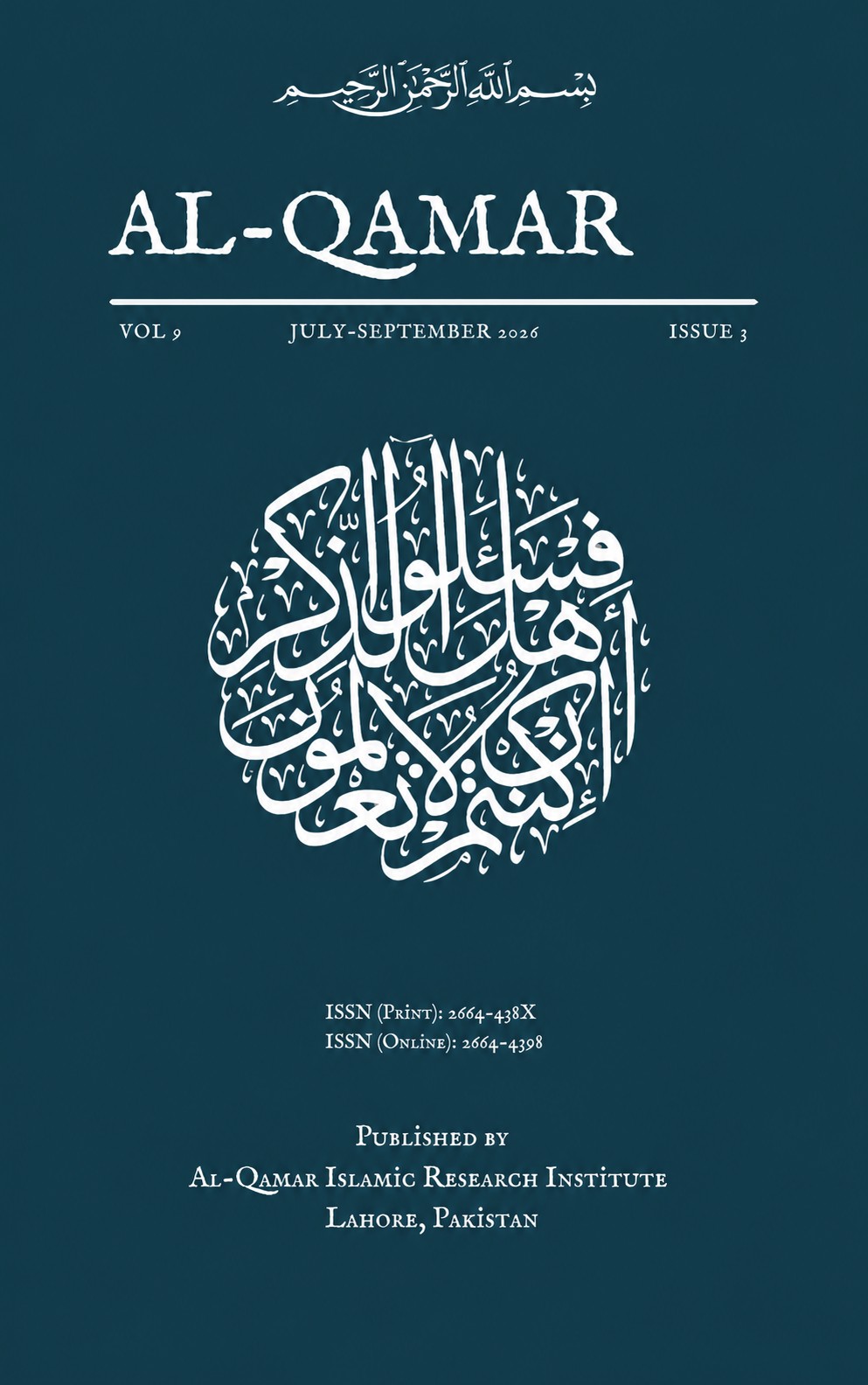
Al-Qamar Journal

Al-Qamar Journal is a scholarly research journal published under the academic vision of Al-Qamar Islamic Research Institute. The journal is dedicated to promoting high-quality research in Islamic Studies and related academic fields.

Al-Qamar Journal title page cover, Volume 9 Issue 1, January-March 2026

Current Title Page

Journal
Al-Qamar
Volume
9
Issue
1
Period
January-March 2026
ISSN Online
2664-4398
ISSN Print
2664-438X
Publisher
Al-Qamar Islamic Research Institute, Lahore

The journal provides a platform for original, peer-reviewed, properly referenced, and ethically written research connected with Islamic knowledge, Muslim society, classical scholarship, and contemporary academic questions.

About the Journal

Research Journal "Al-Qamar", Lahore (ISSN Print 2664-438X, Online 2664-4398) is a double-blind peer-reviewed open access academic journal approved by the Higher Education Commission (HEC) of Pakistan in Y Category. The journal is published by Al-Qamar Islamic Research Institute, Lahore, an independent research institute.

The foundation of the journal was laid after two years of academic planning and editorial development, and its first issue was published in 2017. With more than 12 years of institutional research work behind the Institute, the journal reflects a sustained commitment to scholarly publication, research culture, and ethical academic practice.

Since its launch, the journal has received more than 40,000 manuscript submissions from scholars and researchers across Pakistan and abroad, out of which over 1,000 peer-reviewed research articles have been published. The journal publishes original research in Urdu, English, and Arabic and promotes academic dialogue across diverse scholarly traditions.

The journal welcomes original research articles on topics such as:

  • Qur'anic Studies and Tafsir
  • Hadith and Sunnah
  • Seerah of the Holy Prophet PBUH
  • Islamic Law and Jurisprudence
  • Islamic History and Civilization
  • Islamic Thought and Philosophy
  • Tasawwuf and Muslim spirituality
  • Comparative Religion and Interfaith Studies
  • Contemporary issues of the Muslim world

Al-Nasr Journal

Research Journal "Al-Nasr", Lahore is a quarterly, double-blind peer-reviewed, open access academic journal. It publishes multidisciplinary research in Islamic learning and related branches of knowledge, with submissions accepted in Urdu, English, and Arabic.

The journal covers Qur'an, Hadith, Sira, Fiqh and Islamic Law, Sufism, philosophy and theology, classical and contemporary Muslim thought, humanities, social sciences, and issues related to Muslim societies in Pakistani and global contexts.

Al-Nasr Journal title page cover, Volume 4 Issue 4, October-December 2025

Current Title Page

Journal
Al-Nasr
Volume
4
Issue
4
Period
October-December 2025
ISSN Online
2958-9398
ISSN Print
2959-1015
Frequency
Quarterly
Languages
English, Urdu, Arabic
Publisher
Al-Nasr Research Institute, Lahore

Association with the Institute

Al-Nasr Journal is presented here as an associated scholarly journal within the academic and publication ecosystem of Al-Qamar Islamic Research Institute. The Institute supports research culture, ethical publication practice, editorial training, manuscript preparation, and scholarly development connected with Islamic Studies and allied fields.

Areas of interest include:

  • Qur'an, Hadith, Sira, and Islamic Law
  • Sufism, philosophy, theology, and Muslim thought
  • Islamic Studies, humanities, and social sciences
  • Pakistan, Muslim societies, and contemporary challenges
  • Peace, tolerance, ethics, and interfaith harmony
  • Classical scholarship and modern academic questions

Books and Research Publications

Along with journals, Al-Qamar Islamic Research Institute also works for the publication of academic books and research material. The books program serves researchers, students, libraries, universities, religious scholars, and academic institutions.

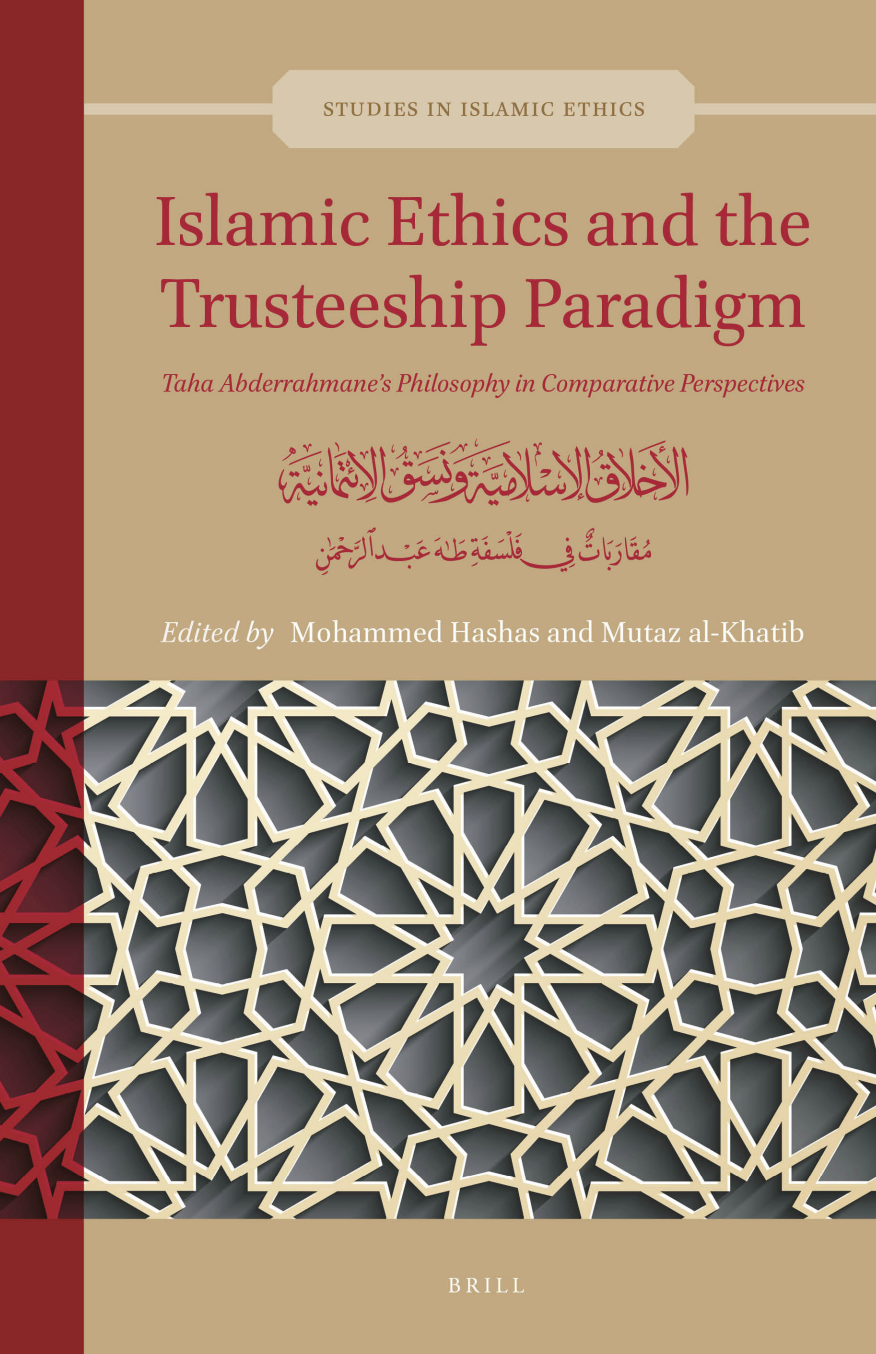
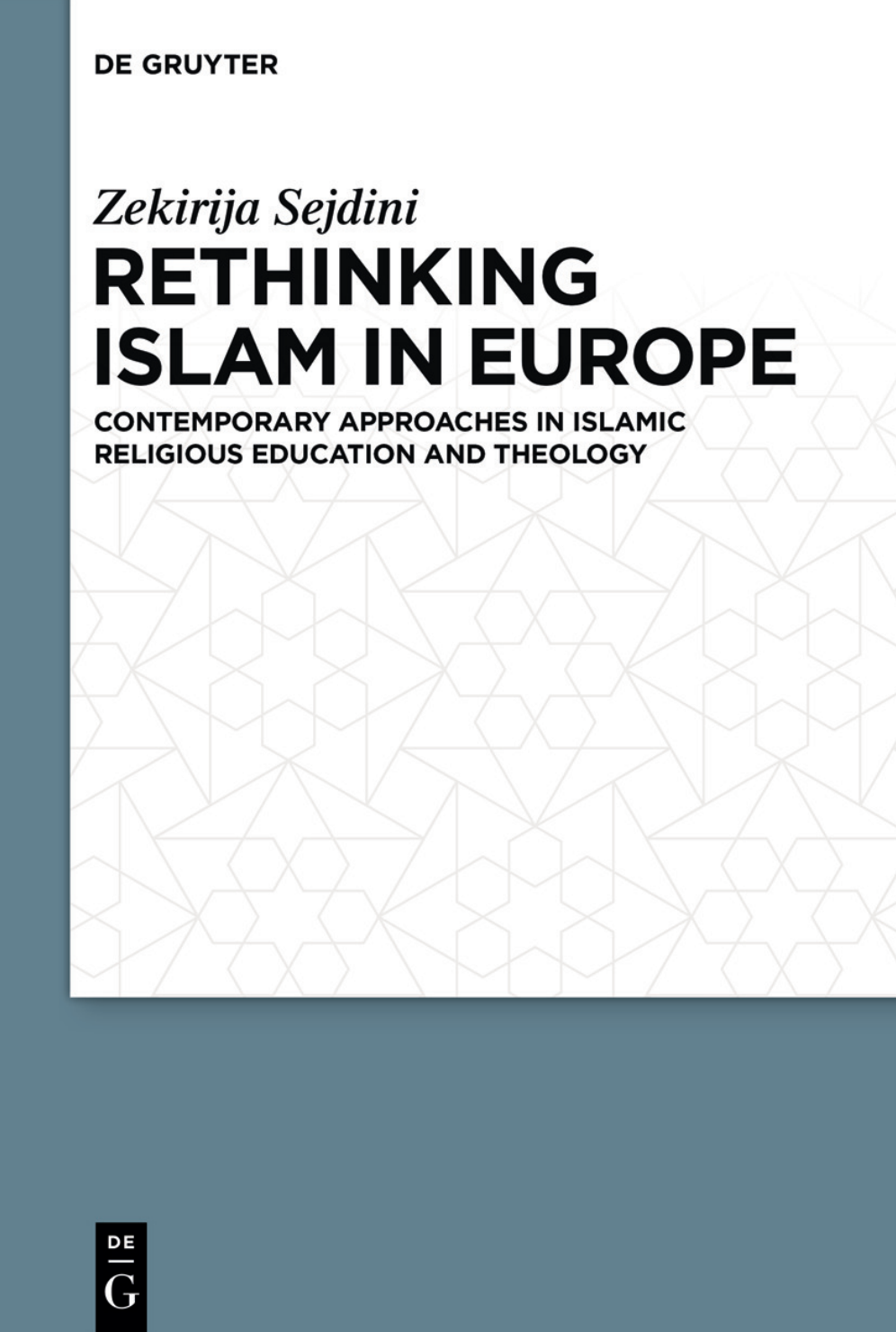
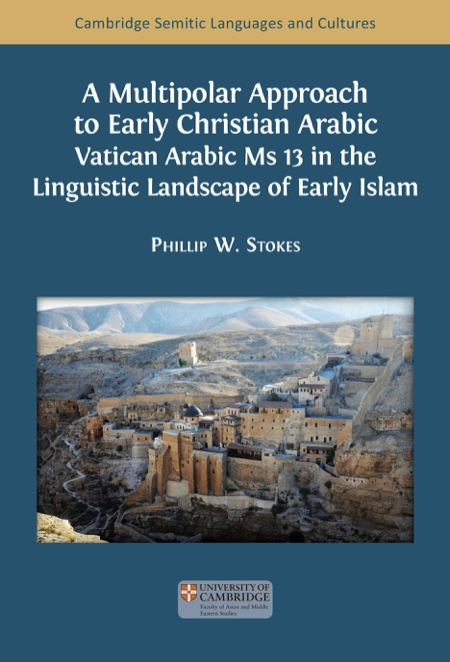
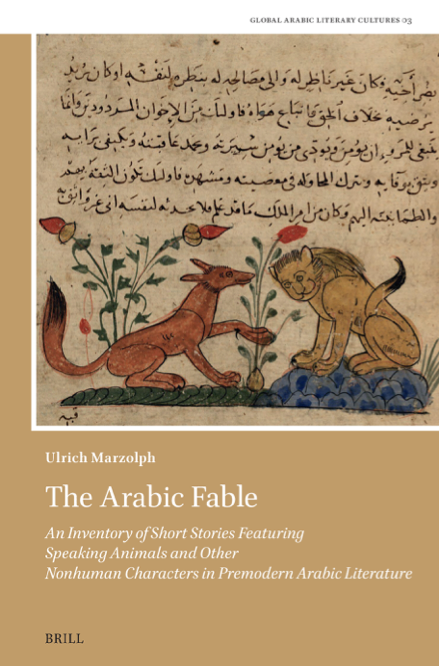
The Institute supports authored books, edited volumes, translations, monographs, research reports, training manuals, and thematic collections that preserve Islamic heritage and connect it with contemporary academic needs.

The publications program is designed to help scholars move from raw research material to polished academic output. It supports proposal review, manuscript development, editorial planning, citation improvement, peer review coordination, language refinement, indexing readiness, and dissemination through print and digital channels.

Across its journal and publication ecosystem, the Institute has supported a large volume of scholarly activity, including more than 40,000 manuscript submissions received for Research Journal Al-Qamar and over 1,000 peer-reviewed articles published. This experience strengthens the Institute's capacity to guide authors, editors, reviewers, and research teams in producing credible academic work.

Publication activities include:

  • Research books
  • Edited volumes
  • Conference proceedings
  • Monographs
  • Translations
  • Book reviews
  • Research reports
  • Academic newsletters
  • Training manuals
  • Special thematic issues

Publication Standards

The Institute expects all authors and contributors to follow proper academic and ethical standards. Every journal article, book chapter, monograph, translation, report, and training manual should demonstrate originality, clear argument, reliable sources, academic relevance, and respect for publication ethics.

Submissions are expected to pass through editorial screening, formatting review, plagiarism awareness checks, citation verification, and where required, a transparent peer review process. Authors should follow the relevant journal or book guidelines before submission and should clearly identify sources, translations, quotations, data, and previous publications.

  • Original research and clear argument
  • Proper citation and referencing
  • Avoidance of plagiarism
  • Respect for intellectual property
  • Balanced and scholarly language
  • Proper formatting according to journal guidelines
  • Transparent peer review process
  • Academic relevance and contribution to knowledge
  • Disclosure of conflicts of interest where applicable
  • Careful use of Urdu, English, and Arabic academic conventions
  • Respectful engagement with classical and contemporary scholarship

Admissions

The admissions section provides pathways for students, graduates, teachers, scholars, and professionals who want structured academic courses in Islamic Studies, research methodology, publication ethics, and scholarly writing.

Admissions Portal

All applicants use one detailed admissions portal for personal details, academic background, department selection, intended subject, research interests, and supporting documents.

Departments announce their own open certificate courses, diplomas, advanced diplomas, workshops, and training tracks according to subject area and academic schedule.

Department Admissions

Subject-based certificate courses, diplomas, workshops, and advanced study tracks are announced by the relevant academic department. Each department lists its own open admissions according to its scholarly field.

Applicants should first review the department page for Qur'anic Studies, Hadith, Seerah, Fiqh, Islamic Thought, Comparative Religion, or Academic Publishing, then submit the detailed application through the admissions portal.

Application Review

Admission decisions remain connected with the relevant department, course announcements, document review, and administrative verification.

The portal collects the complete application so the correct department and admission authority can review it properly.

Careers

Al-Qamar Islamic Research Institute welcomes qualified scholars, researchers, editors, trainers, coordinators, and academic support professionals who can contribute to Islamic research, publishing, training, and institutional development.

All vacancies Academic Editorial Training Administration
Research Fellow Academic and research position
Department of Qur'anic Studies
Postdoctoral Fellow Advanced research fellowship
Department of Hadith and Sunnah
Managing Editor Editorial and publishing role
Academic Publishing and Research Development
Peer Review Coordinator Journal workflow role
Academic Publishing and Research Development
Workshop Facilitator Training and seminar role
Academic Training and Seminar Programs
Institutional Liaison Officer Administration and collaboration role
Institute Administration

Conferences and Seminars

Al-Qamar Islamic Research Institute organizes national and international conferences, seminars, symposiums, workshops, lectures, panel discussions, and academic meetings to promote serious research and scholarly dialogue.

These academic events provide a platform for scholars, researchers, teachers, students, editors, religious scholars, and academic institutions to exchange ideas, present research, and discuss important issues facing the Muslim world and contemporary society.

The Institute believes that conferences and seminars play an important role in developing research culture. Through these events, scholars are able to share new perspectives, review classical Islamic scholarship, examine contemporary challenges, and build meaningful academic networks.

The Institute also arranges workshops and training sessions for young researchers, postgraduate students, journal editors, and faculty members. These programs may focus on research methodology, academic writing, article writing, thesis writing, citation and referencing, publication ethics, peer review, journal management, plagiarism awareness, proposal writing, and conference paper preparation.

Key Areas of Conferences and Seminars

  • Qur'anic Studies and Tafsir
  • Hadith, Sunnah, and Seerah Studies
  • Islamic Law and Contemporary Jurisprudence
  • Islamic History, Thought, and Civilization
  • Comparative Religion and Interfaith Dialogue
  • Islamic Education and Research Methodology
  • Muslim Society and Contemporary Challenges
  • Peace, Ethics, Tolerance, and Social Harmony
  • Academic Publishing and Publication Ethics
  • Youth, Morality, Media, and Modern Muslim Identity

Collaboration

Al-Qamar Islamic Research Institute welcomes academic collaboration with universities, colleges, research centers, madaris, libraries, journals, publishers, scholars, editors, and national and international academic organizations.

The Institute aims to build partnerships with institutions that share a commitment to research, education, publication, ethical scholarship, and intellectual development. Through collaboration, Al-Qamar Islamic Research Institute seeks to create opportunities for joint academic work, scholarly exchange, training, research publication, and institutional growth.

Collaborative activities may include joint conferences, seminars, workshops, research projects, faculty development programs, student research programs, journal partnerships, book publication projects, edited volumes, translation projects, library development, academic training, and international scholarly networking.

Through national and international collaboration, the Institute seeks to promote scholarly exchange, mutual learning, institutional cooperation, and intellectual service to the Muslim Ummah and the global academic community.

Forms of Collaboration

  • Joint national and international conferences
  • Seminars, symposiums, and academic lectures
  • Research projects and thematic studies
  • Faculty development and training programs
  • Student research and internship programs
  • Journal publication and editorial partnerships
  • Book publication and edited volume projects
  • Translation and manuscript development projects
  • Library and digital resource cooperation
  • Academic writing and publication ethics workshops
  • Peer review and journal management training
  • International academic networking
  • Interfaith dialogue and peacebuilding activities
  • Institutional consultancy for research and publishing standards

Invitation for Collaboration

Al-Qamar Islamic Research Institute invites universities, academic departments, research centers, scholars, editors, publishers, libraries, and educational organizations to collaborate in areas of mutual academic interest. The Institute welcomes serious academic partnerships that promote research excellence, Islamic scholarship, ethical publication, intellectual dialogue, and service to society.

Contact

Al-Qamar Islamic Research Institute welcomes communication from scholars, researchers, students, authors, editors, universities, colleges, research centers, publishers, libraries, and academic organizations.

General Inquiries

For general information about the Institute, academic activities, departments, research areas, publications, conferences, services, admissions routes, and institutional correspondence, please contact the administrative office of Al-Qamar Islamic Research Institute.

Al-Qamar Islamic Research Institute
Global Center for Research and Study - GCRS
Main email: info@aqiri.org
Administrative office: admin@aqiri.org
Admissions office: admissions@aqiri.org
Student services: students@aqiri.org
Certificates and records: records@aqiri.org
Phone / WhatsApp: __________________________
Office hours: Monday to Saturday, 10:00 AM - 5:00 PM
Address: ________________________

Research and Academic Support

Researchers, scholars, postgraduate students, faculty members, and academic institutions may contact the Institute for guidance related to research methodology, academic writing, article preparation, thesis development, citation styles, referencing, research ethics, proposal review, and scholarly publication.

For Research Support:
Research desk: research@aqiri.org
Academic support: academic.support@aqiri.org
Thesis and proposal guidance: thesis.support@aqiri.org
Citation and referencing help: citations@aqiri.org
Research ethics: ethics@aqiri.org
Supervision requests: supervision@aqiri.org
Phone / WhatsApp: __________________________

Journals, Events and Collaboration

Authors, editors, contributors, institutions, publishers, and partner organizations may contact the publication and events offices for Al-Qamar Journal, Al-Nasr Journal, book publication, manuscript submission, peer review, publication ethics, journal guidelines, conferences, seminars, training workshops, and academic collaboration.

For Journals, Events, Training and Collaboration:
Publications office: publications@aqiri.org
Journal submissions: submissions@aqiri.org
Editorial office: editorial@aqiri.org
Books and manuscripts: books@aqiri.org
Events and conferences: events@aqiri.org
Training workshops: training@aqiri.org
Institutional collaboration: collaboration@aqiri.org
Media and press: media@aqiri.org
Phone / WhatsApp: __________________________

Department Directory

For department-specific course, research, supervision, workshop, collaboration, and academic support inquiries, use the direct department address when possible.

Qur'anic Studies: quranic@aqiri.org
Hadith and Sunnah: hadith@aqiri.org
Seerah and Civilization: seerah@aqiri.org
Fiqh and Islamic Law: fiqh@aqiri.org
Islamic Thought, History and Culture: thought@aqiri.org
Comparative Religion and Interfaith Studies: interfaith@aqiri.org
Academic Publishing and Research Development: publishing@aqiri.org

Contact Form

For inquiries, proposals, submissions, and academic collaboration, please fill out the contact form below. Our team will review your message and respond as soon as possible.

Please provide complete and accurate details in your message so that the concerned department may respond properly. Authors are advised to mention the title of their manuscript, journal name, and submission status when contacting the publication office. Institutions interested in collaboration are requested to provide their official profile and proposed area of cooperation.